
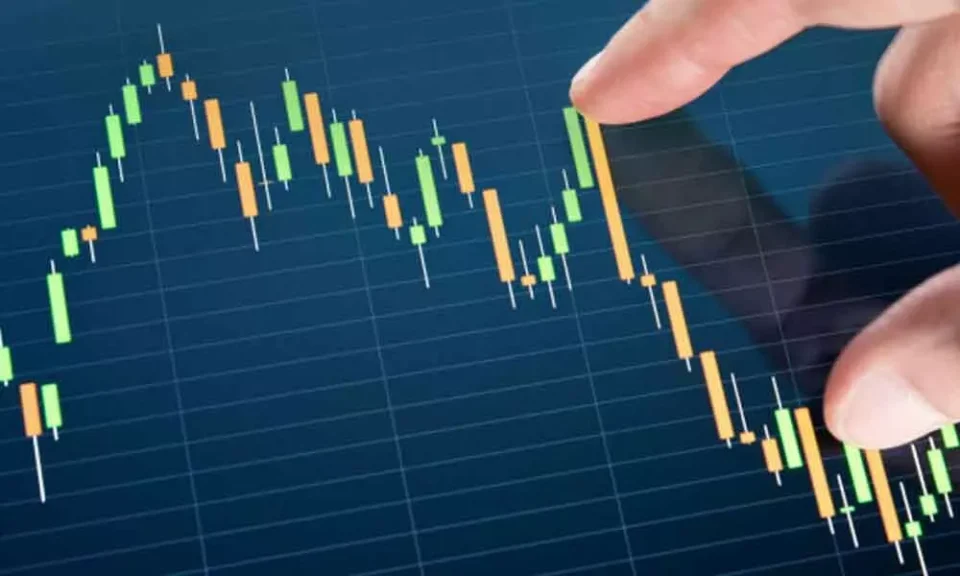
Trading looks busy when you watch it. Screens flicker. Charts move nonstop. People click fast and talk faster. But inside a good trading day, there is a lot of waiting. Quiet moments. Thinking before doing. That part never gets attention.
When someone tries to build a day trading strategy, the first instinct is usually to trade more. More entries. More chances. More action. That idea sounds logical at first. In reality, it is where most trouble begins.
Planning before the session begins
Good preparation is simple. It is not about predicting the future. It is about understanding context.
Some traders review recent movement. Others mark important areas. Many decide their risk limits before the session even opens. These small actions reduce panic later.
Planning early also sets emotional boundaries. You already know how much you are willing to lose. You already know when you plan to stop. That makes it easier to stay calm once the session starts.
Understanding when not to trade
One of the hardest skills to learn is staying out. Flat conditions. Random spikes. Confusing movement. These moments tempt people into forcing trades.
Thoughtful traders recognize these conditions and step back. They do not feel guilty about it. They understand that not trading is also a decision.
Avoiding bad conditions saves more energy than catching good ones.
Letting opportunities come to you
Forcing trades usually feels urgent. Price moves. You feel late. You jump in.
Waiting feels uncomfortable at first. But waiting allows structure to form. It allows price to show direction instead of guessing.
Missed trades happen. Chasing them causes damage. Traders who wait accept that some moves will pass without them. They focus on the next clean chance instead of the last missed one.
Reducing overtrading habits
Overtrading rarely comes from confidence. It usually comes from boredom or frustration.
More trades do not mean more skill. They mean more emotional exposure. Fatigue builds quickly. Decision quality drops quietly.
Traders who reduce mistakes limit how often they trade. Fewer decisions mean better decisions. Focus improves when action slows down.
Using structure to guide decisions
Structure does not remove flexibility. It supports it.
Clear start times. Clear stop times. Simple rules. These things protect thinking during live movement. Without structure, emotions take control.
With structure, decisions feel familiar. Familiar decisions feel safer. Safety improves execution.
Handling pressure during live movement
Pressure shows up fast. Heart rate rises. Thoughts rush. Judgment narrows.
Prepared traders slow their internal response even when price moves quickly. They pause before acting. They check their plan. They remind themselves that one trade does not matter as much as staying consistent.
That pause keeps pressure from turning into mistakes.
Reviewing decisions instead of results
Results change daily. Decisions repeat.
Thoughtful traders review behavior. Did they follow their plan. Did they respect risk. Did they stop when they said they would.
Focusing on decisions creates learning without emotional damage. Profits and losses fade. Lessons stay.
Building confidence through restraint
Confidence built on action collapses fast. Confidence built on discipline lasts longer.
Restraint reduces regret. It protects focus. It keeps emotions balanced. Over time, this restraint builds trust in your own process.
That trust matters more than any single winning day.
A reliable day trading strategy depends on preparation more than activity. Clear plans reduce noise. Restraint protects thinking. Consistency grows from doing less, not more.
Frequently asked questions
Why does constant trading increase mistakes
Because mental energy drains quickly. Tired thinking leads to rushed entries and poor exits.
Is it okay to sit out an entire session
Yes. Many experienced traders skip days when conditions feel unclear. Sitting out protects clarity.
How much preparation is enough
Enough to understand recent movement, risk limits, and when you plan to stop. Anything beyond that often creates confusion.
Can fewer trades really improve performance
Yes. Fewer trades reduce emotional swings and improve focus, leading to cleaner execution.
Trading rewards patience more than constant action. Preparation creates space to think clearly before pressure shows up. That space protects decisions when things get noisy. When traders slow down before the session begins, they stop forcing action during it. Clean decisions replace rushed ones. Confidence grows without drama. That steady approach keeps trading sustainable, one prepared decision at a time.
